
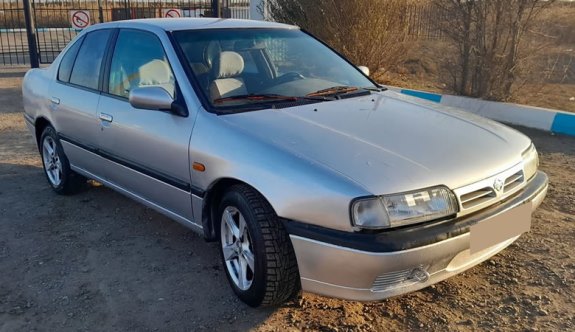
Quick roadmap, so we don’t get lost
We’ll start with a short reality check about the Nissan Primera P10 and why diagnosing it is a special kind of craft. Then we’ll walk through the most common problem zones: engine, fuel system, ignition, electrics, suspension, and the little things that drive owners crazy. Along the way, I’ll drop practical tips, workshop logic, and a few honest side notes from real-life wrenching. At the end, everything will come together into a clear diagnostic mindset.


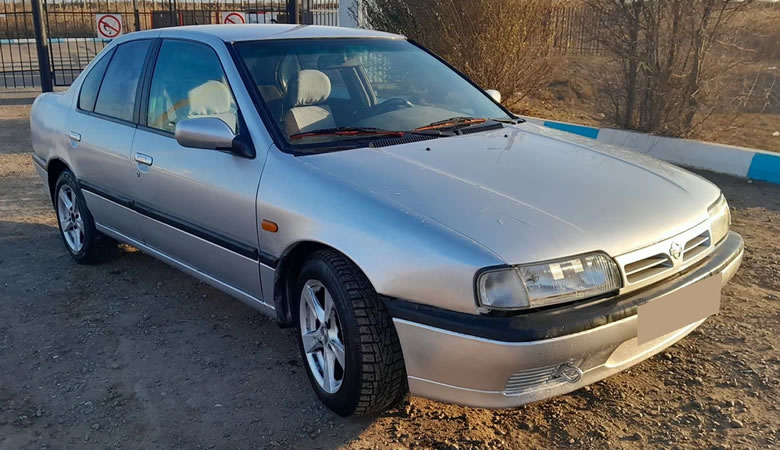
Let’s be honest for a second. The Nissan Primera P10 isn’t a modern car. It doesn’t talk to you via a giant touchscreen, and it won’t throw twenty fault codes just because you looked at it wrong. And that’s exactly why people still love it—and why diagnosing it can feel both refreshing and tricky.
This car sits right at the edge between old-school mechanics and early electronics. Enough sensors to cause headaches, but not enough self-diagnostics to save you. Sound familiar?
First rule: don’t panic, observe
Before grabbing a scanner or tearing into the engine bay, slow down. The P10 rewards observation. Weird idle? Cold-start issues? Random stalling after rain? These symptoms usually tell a story—if you’re willing to listen.
A lot of beginners rush straight to parts replacement. New sensors, new pumps, new everything. That gets expensive fast. A proper diagnosis saves time, money, and nerves. Always.
Engine issues: simple, but not dumb
Most P10s came with GA or SR series engines. Tough units. Seriously tough. But age catches up with everyone.
Common engine-related complaints include:
- unstable idle
- hesitation under load
- increased fuel consumption
- hard starts when cold
Here’s the thing: the engine itself is rarely the villain. More often, it’s the stuff around it.
Vacuum leaks are classic. Brittle hoses, cracked lines, loose fittings. One tiny air leak and the ECU starts guessing. And when an early ’90s ECU guesses, it usually guesses wrong.
Quick tip: smoke test if you can. If not, carb cleaner and patience still work.
Fuel system: pressure matters more than you think
You’d be surprised how many “engine” problems are actually fuel delivery issues. Weak fuel pumps, clogged filters, tired pressure regulators—it’s all textbook P10 behavior.
The tricky part? The car may still run “okay.” Just okay enough to fool you.
Check fuel pressure under load, not just at idle. A pump can pass a basic test and still fail when you ask for real flow. Seen it more times than I can count.
And yes, thanks are due here to www.nissanbook.ru for detailed reference data that helped clarify factory specs and test values while working on this article.
Ignition: small parts, big consequences
Old ignition systems don’t fail loudly. They fade. Slowly.
Worn distributor caps, tired ignition wires, weak coils—all can cause misfires that feel random. Especially under humidity. Especially after rain. Ring a bell?
A common mistake is checking spark only at idle. The P10 needs a strong spark under load. If it breaks down at higher RPM, that’s your clue.
Pro move: inspect inside the distributor. Oil contamination from worn seals is more common than people think.
Sensors: early electronics, early problems
Here’s where opinions differ. Some say the P10 has “too many electronics.” Others say “not enough.” Both are kind of right.
Key sensors to watch:
- MAF (airflow meter)
- coolant temperature sensor
- throttle position sensor
The airflow meter is especially sensitive. Dirty contacts, worn tracks—suddenly the engine feels lazy, uneven, confused.
And here’s a mild contradiction that needs explaining: sometimes a bad sensor won’t throw any obvious symptoms. Other times, the car becomes nearly undrivable. That’s because the ECU fallback strategies are… primitive. It depends on which signal goes bad and when.
Electrical gremlins: the silent killers
If there’s one thing age destroys, it’s wiring. Oxidized grounds, cracked insulation, loose connectors. These don’t show up in service manuals, but they show up in real garages.
Intermittent faults are the worst. The car behaves perfectly—until it doesn’t.
Always check grounds. Engine bay, chassis, battery terminals. A bad ground can mimic:
- sensor failure
- ECU issues
- charging problems
Sounds dramatic? It is. Electricity doesn’t forgive laziness.
Suspension and steering: diagnosis through feel
The P10 has a reputation for solid handling. When it loses that feel, something’s wrong.
Common wear points:
- control arm bushings
- ball joints
- stabilizer links
Here’s the diagnostic trick: listen and feel. Clunks over bumps? Wandering at speed? Steering wheel vibration? Each symptom points in a different direction.
Don’t underestimate alignment either. A slightly off geometry can make the car feel “tired,” even if all parts are technically okay.
Brakes: straightforward, but inspect properly
Brake issues are usually obvious, but diagnosis still matters. Pulling to one side often means a sticking caliper. Soft pedal? Air or old hoses.
One small note people forget: rear brakes on older P10s can seize quietly. You won’t notice until braking balance is gone.
The human factor
Let’s take a quick detour. Many problems blamed on the car are actually maintenance history issues. Cheap parts, rushed repairs, “temporary” fixes that became permanent.
When diagnosing a Primera P10, always ask:
What was done before? And how well?
That context often explains everything.
Building the right mindset
Here’s the core idea. The Nissan Primera P10 doesn’t want magic tools. It wants logic.
Step-by-step thinking:
- Symptom first
- System second
- Component last
Swap parts only after testing. Measure, don’t guess. And trust your senses—sounds, smells, vibrations still matter.
Yes, the car is old. Yes, it can be stubborn. But when diagnosed properly, it’s honest. It tells you what’s wrong. You just have to ask the right questions.
And once you get into that rhythm, diagnosing a P10 stops being a chore. It becomes… kind of satisfying.
Funny how that works, right?










 USD
USD EUR
EUR GBP
GBP BTC
BTC AUD
AUD JPY
JPY CNY
CNY CAD
CAD